Tankless water heaters in San Francisco
A tankless water heater heats water only when a tap opens, so there is no storage tank to keep hot all day and no running out of hot water mid-shower — provided the unit is sized correctly for the home. In San Francisco, tankless units are a good fit for larger households and for homes where the water heater sits in a garage and space is tight. But they are not a fit-and-forget purchase here: the tight spaces, the venting, and the age of the installation are what decide whether a tankless unit lasts 20 years or fails early.
Thinking about going tankless — or is the tankless unit you already have throwing error codes? What follows is installation, repair, and maintenance for San Francisco and the surrounding county, including the water care that decides whether a unit lasts. Requests are shared with independent local providers.
How a tankless unit is different
A tank water heater stores 40 or 50 gallons and keeps it hot. A tankless unit has a heat exchanger that fires only on demand. That removes the standby heat loss of a tank, and it removes the tank itself as the part that rusts out. What it adds is sensitivity to water quality and flow: mineral scale builds up on the heat exchanger, and the unit's sensors and controls are more complex than a tank heater's thermostat and pilot.
Sizing matters more than brand
The most common tankless disappointment is a unit that was never sized for the home. A tankless heater is rated by how much it can raise the water temperature at a given flow rate. In colder months, incoming water in San Francisco is colder than in summer, so the same unit delivers less hot water in January than in July. A home with two bathrooms, a dishwasher, and a washing machine that may run at the same time needs a larger unit — or a second unit — than a one-bathroom home. A provider who sizes the unit should ask about simultaneous hot-water use, not just the number of bathrooms.
Gas supply matters too. Many tankless units need a larger gas line than the tank heater they replace, and venting requirements are different: condensing units vent through PVC, while non-condensing units need stainless steel venting. San Francisco's water comes from the Hetch Hetchy reservoir in the Sierra Nevada, and it is soft water — low in dissolved minerals — so sediment build-up and scale are less of a problem here than in hard-water cities. These are installation questions that should be settled before the unit is bought, not discovered on the day.
Water quality and descaling
Scale on the heat exchanger is a smaller concern in San Francisco than in hard-water cities — the water here is soft, so mineral build-up is slow. Descaling is still worth doing every few years, and the unit should still be installed with isolation valves so it can be serviced. The more common tankless issues here are venting in tight spaces, ignition and sensor faults, and error codes — not scale.
Repair: error codes and ignition faults
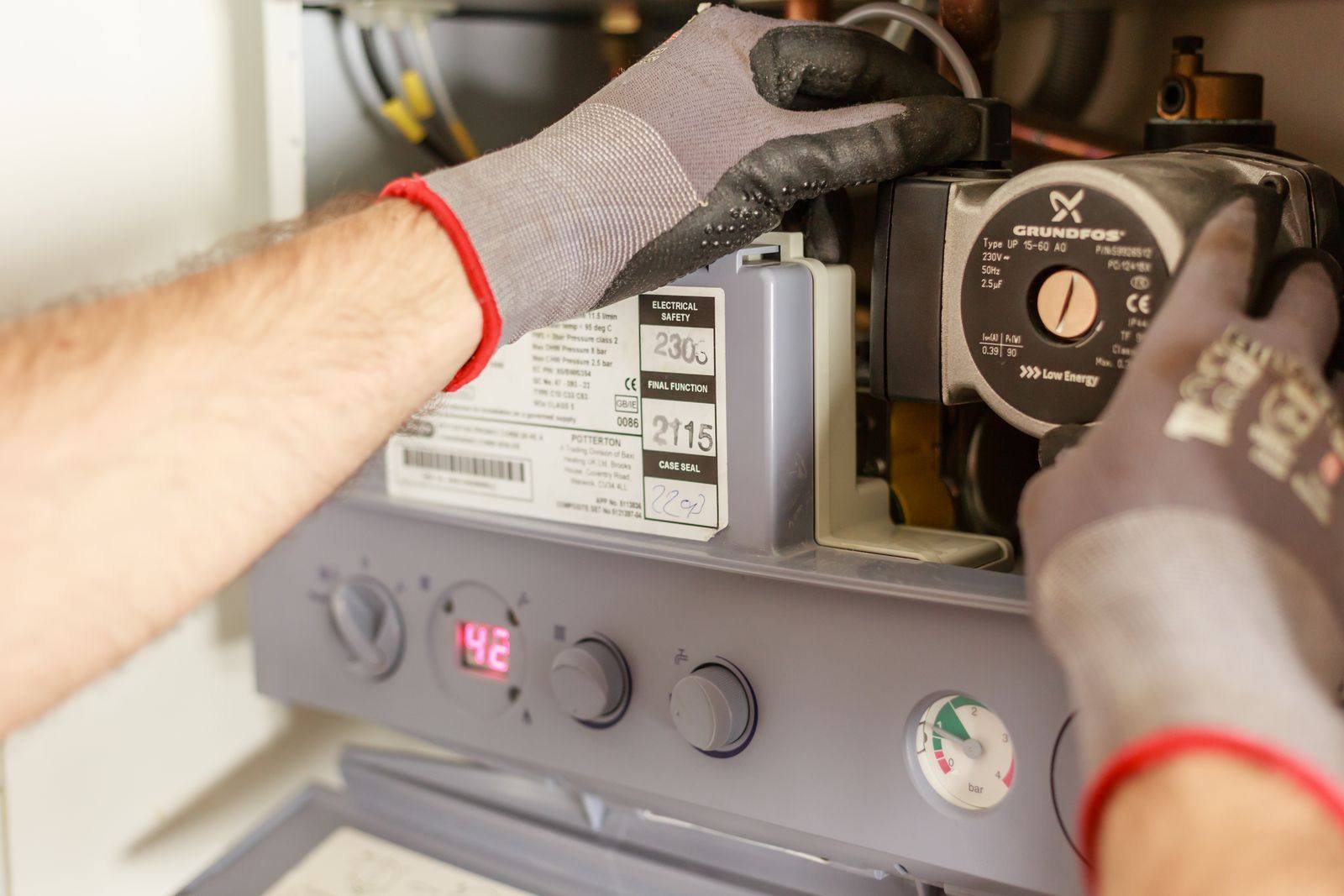
Tankless repairs are usually diagnosed from the unit's error code display, plus checks of the igniter, flame sensor, gas pressure, water flow sensor, and heat exchanger condition. Common faults include ignition failure (often gas supply or venting), temperature fluctuation (often scale or a flow problem), and no hot water with an error code pointing to the heat exchanger or a sensor. Because the diagnosis is code-driven, the error code shown on the unit — if it has a display — is useful information to include in a repair request.
Tankless vs tank in a San Francisco home
- - Tankless is worth considering for larger households, homes with high simultaneous hot-water demand, and owners who want to avoid a tank rusting out.
- - Tank is often the simpler choice for smaller households, for homes where the gas line and venting would need major work, and where upfront cost matters most.
- - Either type needs care. A tank needs annual flushing and anode-rod checks; a tankless needs periodic descaling, filter cleaning, and vent checks. There is no maintenance-free water heater in {a}.
Frequently Asked Questions
Will a tankless water heater save me money?
It can reduce energy use because it does not keep a tank hot all day, but the saving depends on household hot-water use, the unit's efficiency, and the cost of installation — including any gas-line or venting work. It is not guaranteed to pay for itself quickly. The provider who quotes the installation can explain the expected running costs for your home.
How often does a tankless heater need descaling in San Francisco?
The water in San Francisco is soft, so scale builds slowly — descaling every few years is usually enough. The unit's manual and the installing provider's advice are the best guide.
Can a tankless unit replace my tank heater directly?
Usually, but not always without extra work. The gas line may need upsizing, the venting is different, and the water connections and condensate drain (for condensing units) need to be arranged. A site visit settles this before any purchase.
What does a tankless error code mean?
It depends on the make and model — each manufacturer uses its own codes. Note the code exactly as displayed and include it in your repair request; it narrows the diagnosis considerably.