Coastal salt air and water heaters in San Francisco
San Francisco is a city of steep hills, fog, and old houses — Victorian and Edwardian flats, mid-century homes, and modern condos — and its water heaters live in some of the tightest spaces in the country: small closets, garages, and basements. Summers here are cool and foggy rather than hot, winters are mild and rarely freeze, and the ground itself is the main risk: California code requires water heaters to be strapped and braced against earthquakes, and in this city that is not a formality. A heater that is not secured can topple, break a gas line, and flood a home.
Salt air is invisible and constant. It does not need a storm to do damage — everyday sea breeze carries salt onto every exposed metal surface, and the humidity keeps that salt damp and active. A water heater near the coast corrodes from the outside in, often while the inside is still fine. This guide explains where the damage shows up and what slows it down.
Where salt air attacks
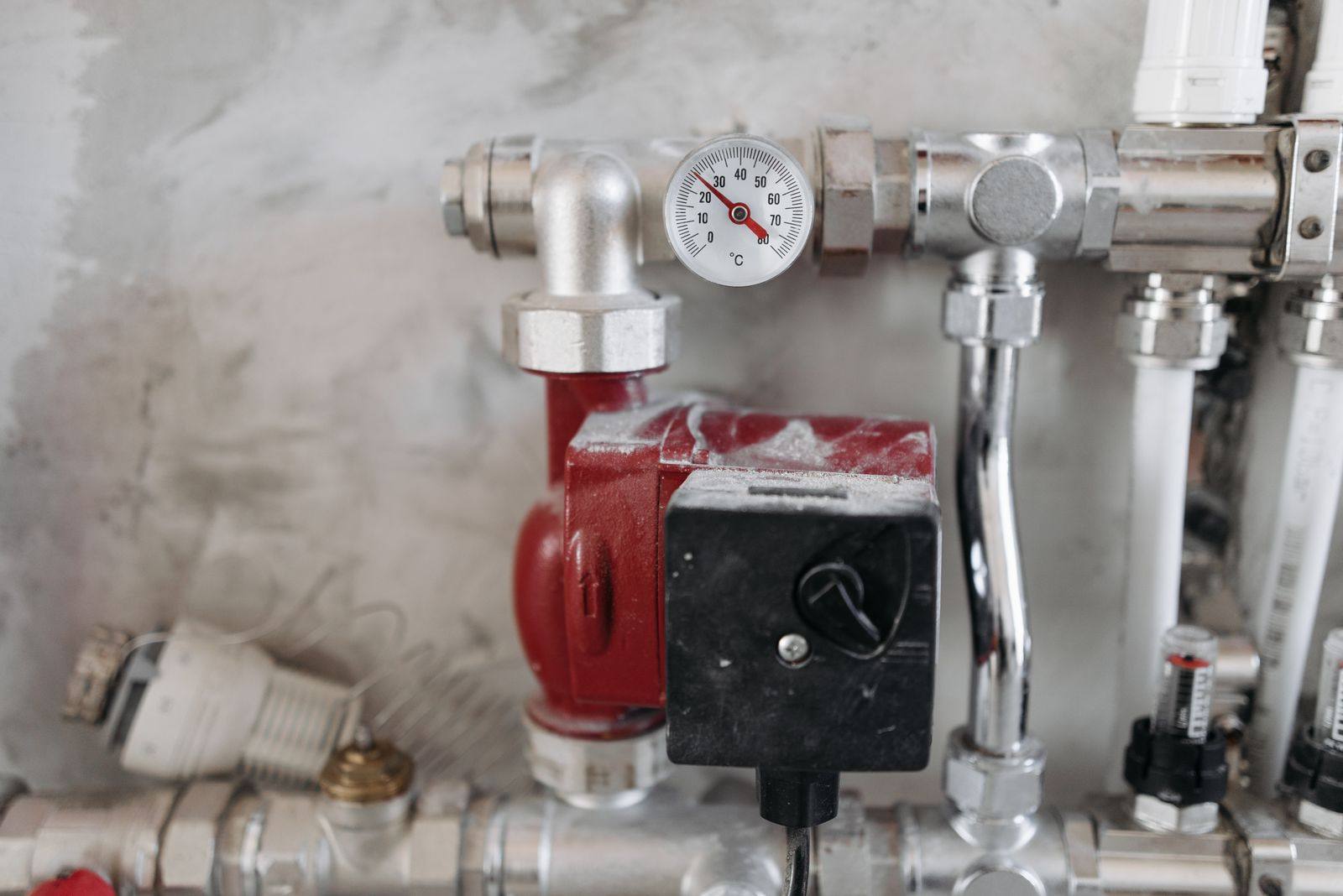
- - Fittings and connections. The pipe fittings, unions, and valves on top of and around the heater are usually the first to show corrosion. A fitting that looks rusty on the outside may still be sound, but corrosion here is the warning sign for the rest of the unit.
- - Venting and flues. Exterior vent terminations and metal flues corrode faster near the coast. A corroded vent can leak combustion gases or fail structurally, so venting deserves a closer look at every service visit in a beach community.
- - The tank's outer jacket and base. The bottom of a tank, where damp air collects, can rust from the outside. In a humid garage or an outdoor enclosure, the base of the tank is often the first part to go.
- - Electrical connections and controls. Salt and damp air corrode terminals and contacts on electric heaters and on tankless control boards, causing intermittent faults that are hard to diagnose without looking.
What slows it down
- - Keep the heater dry and ventilated. A heater in a damp, enclosed space corrodes faster than one in a dry, ventilated one. If the heater sits in an outdoor enclosure, make sure the enclosure drains and ventilates rather than trapping damp air.
- - Inspect fittings at every service. A provider should check the connections, the venting, and the base of the tank — not just the parts that affect hot water.
- - Replace corroded fittings before they leak. A fitting that is visibly corroded is cheaper to replace on a planned visit than after it fails and floods the area.
- - Consider the heater's location at replacement time. If the current heater sits in the most exposed spot in the home, a replacement may be better placed somewhere drier — a change that is cheap to make while the pipework is being done anyway.
San Francisco's water comes from the Hetch Hetchy reservoir in the Sierra Nevada, and it is soft water — low in dissolved minerals — so sediment build-up and scale are less of a problem here than in hard-water cities. The water is not the enemy of a heater in this city; age is. Old pipes, old venting, and heaters installed decades ago in spaces never meant for them cause most of the trouble, along with salt air near the coast and damp fog air that corrodes fittings and vents from the outside.
Storms and flooding
A water heater that has been flooded — even partly — should be inspected before it is used again. Floodwater can damage gas controls, electric elements, and insulation, and a gas heater that has been submerged is generally not safe to relight without a professional inspection. After a storm, say so in the request: the cause may be outside the heater itself, and the inspection is different.
Frequently Asked Questions
How close to the ocean does salt air matter?
Within a few blocks of the water the effect is strongest, but salt air reaches further inland on windy days. Any heater in a beach community should be checked for external corrosion at every service.
Does salt air affect tankless heaters too?
Yes — and in some ways more, because a tankless unit has more exposed metal, more electronics, and a vent that is often on an exterior wall. Descaling still matters, but so does inspecting the vent and the connections.
Can I protect my water heater from salt air?
You can slow corrosion by keeping the heater dry and ventilated, replacing corroded fittings promptly, and having the connections and venting inspected at every service. There is no coating or cover that makes a coastal heater maintenance-free.
My heater is in a condo closet. Is salt air still a problem?
Yes — humid, salty air gets into closets too, and a closet with poor airflow stays damp longer. Make sure the closet ventilates and that the heater is inspected regularly.